




How an Indie Developer Can Create a Successful Game: Advice and Experience from WMG CEO Maksym Kovalenko

Ukrainian game development is growing very fast. Ukraine has many individual developers who create their own products, as well as studios that provide services to global gaming corporations such as Take-Two Interactive.
— Maksym Kovalenko
You can listen to the full podcast in Ukrainian on YouTube:
https://www.youtube.com/watch?v=CJfqCWVCu_k
Game development is no longer about large studios and multi-million-dollar budgets. It’s about ideas, communities, and people who create games — even from a garage.
About WMG
WMG International, also known as AdWMG, offers technology solutions for advertisers and niche publishers worldwide.
WMG provides two core services.
The first is the development of tools that enable game developers and game publishers to monetize their games.
The second is Player Acquisition services. This is a set of marketing tools and strategies designed to attract players to a game.
We work with games across multiple platforms: for web games — Steam Power Marketplace; for mobile applications — the App Store or Google Play; and for console games — Xbox and PlayStation platforms. We even have cases of promoting games for Nintendo Switch.
— Maksym Kovalenko
Indie developers turn to us for player acquisition services — we help promote their games, attract players, and increase daily and monthly active users (DAU — Daily Active Users, MAU — Monthly Active Users).
As the next step, we offer monetization solutions, as today games can be monetized in many different ways. Paid subscriptions are just one of the options.
Our platform specializes in ad monetization. We implement formats such as Rewarded Video and Interstitial Ads.
Currently, we work with nearly 10,000 mobile and console applications.
When an indie studio with a team of, for example, 5–7 people comes to us, we increase their revenue by ten times.
Our biggest case was in June 2024 — we increased the revenue of one publisher by 27 times. This was not a beginner studio, but a company that had already been operating for seven years.
🔵 Ukrainians in the Global Game Development Industry
What role does Ukraine play on the global GameDev map? What are our most significant achievements?
At the moment, the core Ukrainian service within the global gaming industry is outsourcing and outstaffing. I am confident that most successful AAA games simply would not have reached the global market without the involvement of Ukrainian developers.
— Maksym Kovalenko
Ukrainians often hold leading positions in global studios, such as game designers or game directors. I frequently meet Ukrainian professionals at conferences, events, and within industry circles, and every time I am reminded just how many Ukrainians are part of the international game development scene.
When it comes to well-known game products of Ukrainian origin, I would highlight two key studios.
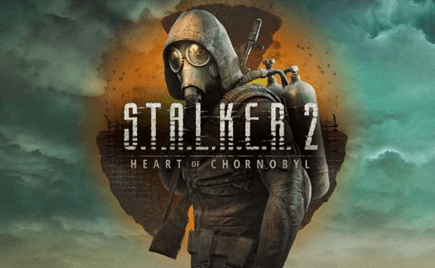
First, GSC Game World and the legendary game S.T.A.L.K.E.R.
The story of Chornobyl has always attracted global interest, and the game itself became cult-classic back when I was a student — I clearly remember the release of the first title in 2007.
S.T.A.L.K.E.R. 2 is one of the most anticipated games of recent years. Moreover, when the full-scale invasion began, many developers continued working on the project under inhuman conditions, which further increased global interest in S.T.A.L.K.E.R. 2.
Today, GSC Game World is based in the Czech Republic, with most of the team working from Prague. I know many people from this company — everyone wants to return and continue developing their product in Ukraine.
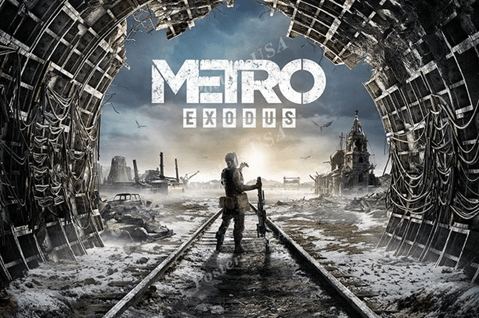
The second studio is 4A Games, the creators of the Metro series.
The studio was founded by Ukrainians in Kyiv and later in Valle, Germany.
These are just two well-known examples, although Ukrainians have a much broader influence on global game development.
Examples of major international companies where Ukrainians hold key positions
One notable example is Gameloft — a large international studio, best known for the Asphalt racing game series.
Gameloft is a true heavyweight in the game development world. The company is French by origin, but Ukrainians hold key roles in monetization and development.
There are many similar examples — Ukrainians actively work in leading positions at global studios around the world.
About the Modern Games Market
Which game categories attract players the most today, and why?
There is a common misconception that game development is all about something big — about AAA titles such as GTA, Civilization, or FIFA. In reality, this is not the case.
In modern game development, the main revenue is generated by the casual, hyper-casual, and super-casual segments. These are simple, intuitive games that do not require special skills.
For example, to fully enjoy playing FIFA or GTA, a player needs certain skills. In contrast, almost anyone can easily dive into Candy Crush or a similar game and start enjoying it from the very first minutes.
It is precisely because of this accessibility that the casual segment has become mainstream in global game development — both in terms of audience and monetization.
Anything built on simple logic and not requiring specific skills is highly attractive to players.
People often play games to relax and unwind, which is why games that satisfy this need are in high demand. For example, billiards is not an action game where you are constantly under pressure. It offers calm gameplay, where you have time to think, aim, and make a move.
In today’s information-overloaded world, hyper-casual games are extremely popular. They are simple, accessible, require no effort, and give users exactly what they are often looking for — a short, clear form of relaxation.
Among your clients, do simple mobile games dominate, or is there a balance between simple and AAA games?
90% are simple games. This fully reflects the overall picture of the industry.
According to official data, in 2024 global revenues from AAA game sales — such as GTA, FIFA, and Assassin’s Creed — amounted to approximately $20–25 billion.
At the same time, mobile and casual games generated four times more — nearly $100 billion.
“People are more willing to spend money on games that are easy to get into, that do not require special skills or a significant time investment.”
Modern game development is a world of simple games that allow people to relax and escape everyday stress. These are the games that currently shape the main demand and revenue in the market.
Are Small, Simple Games Pushing Out the Big Players?
They dominate the market. A popular mobile game can generate significantly more revenue than a AAA title. At the same time, developing a AAA game such as GTA is an extremely high-risk endeavor for developers, as it requires substantial investment and large-scale promotion.
We work with advertising agencies such as Liquid Advertising and Petrol Advertising, which bring us clients from the AAA gaming segment.
At the same time, when you create a small game, the risks are minimal and the development cost is relatively low. Creating a game like Candy Crush costs far less than developing GTA, while the revenue can be significantly higher.
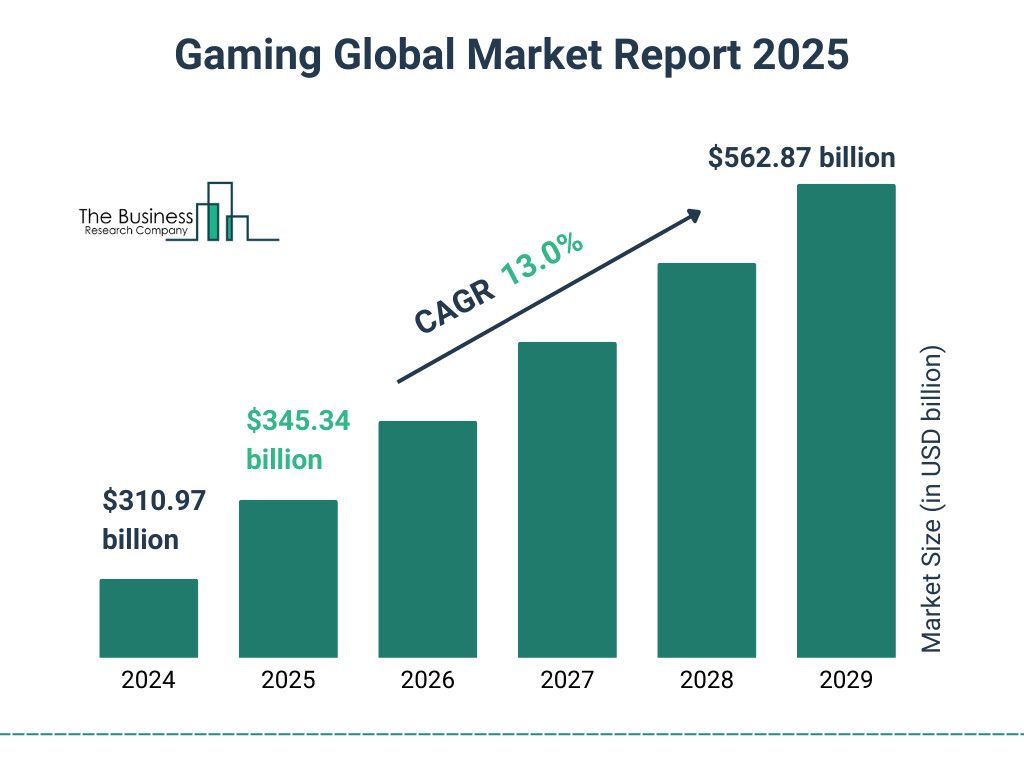
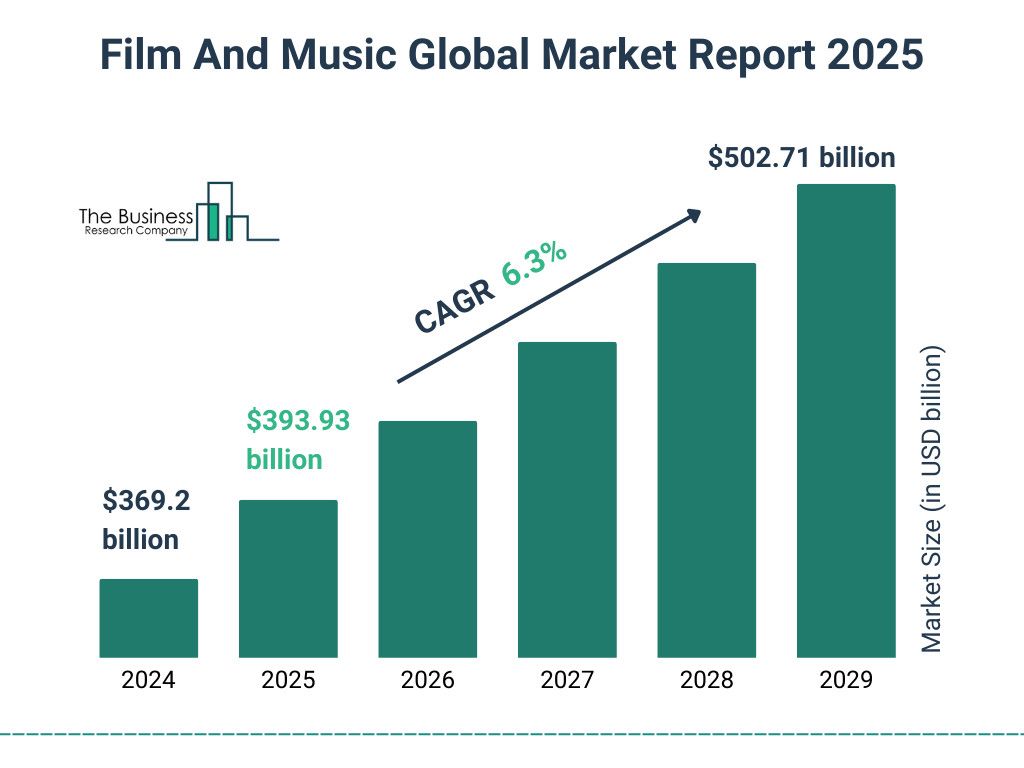
“Overall, in 2023, the global video game industry was valued at approximately $400 billion. This is more than the film and music industries combined.
That is why games are extremely popular worldwide, with a large share coming from casual and hyper-casual games.”
I also wanted to ask about the comparison between the gaming industry and music and film — could you share specific figures from recent years?
According to official data, last year the gaming industry amounted to approximately $400 billion, cinema — nearly $300 billion, and music — around $70 billion.
When we compare this gap between the gaming industry and film plus music, we see that it continues to grow — people are playing games more and more.
It is also important to consider the new generation. They gravitate toward technology, VR, social interaction, online experiences, and the digital world. And in the digital world, the content that delivers the highest user engagement is video games.
That is why I am convinced that within the next three to five years, the gap between gaming and other entertainment industries will increase even further.
If today this difference is relatively small — with video games ahead of film and music by about $50 billion — in a few years it will amount to hundreds of billions of dollars.
Monetization
Which monetization model works best in games? You mentioned that both advertising and in-game sales can take many forms. What is the most effective — ads, subscriptions, or in-game purchases?
Without a doubt, when you launch your first game, it should be free-to-play. Established studios already have audience trust: if a player has purchased their games before, they are likely to buy the next one as well. Beginner indie developers, however, need to build this trust from scratch, which is why releasing a game on a free-to-play model is absolutely essential.
“I believe the most important thing for indie developers is to give people the opportunity to try your gameplay.”
After that, you will understand what your audience likes, which elements are engaging, and which ones they prefer to skip. Once you analyze player behavior and preferences, you can begin implementing monetization models.
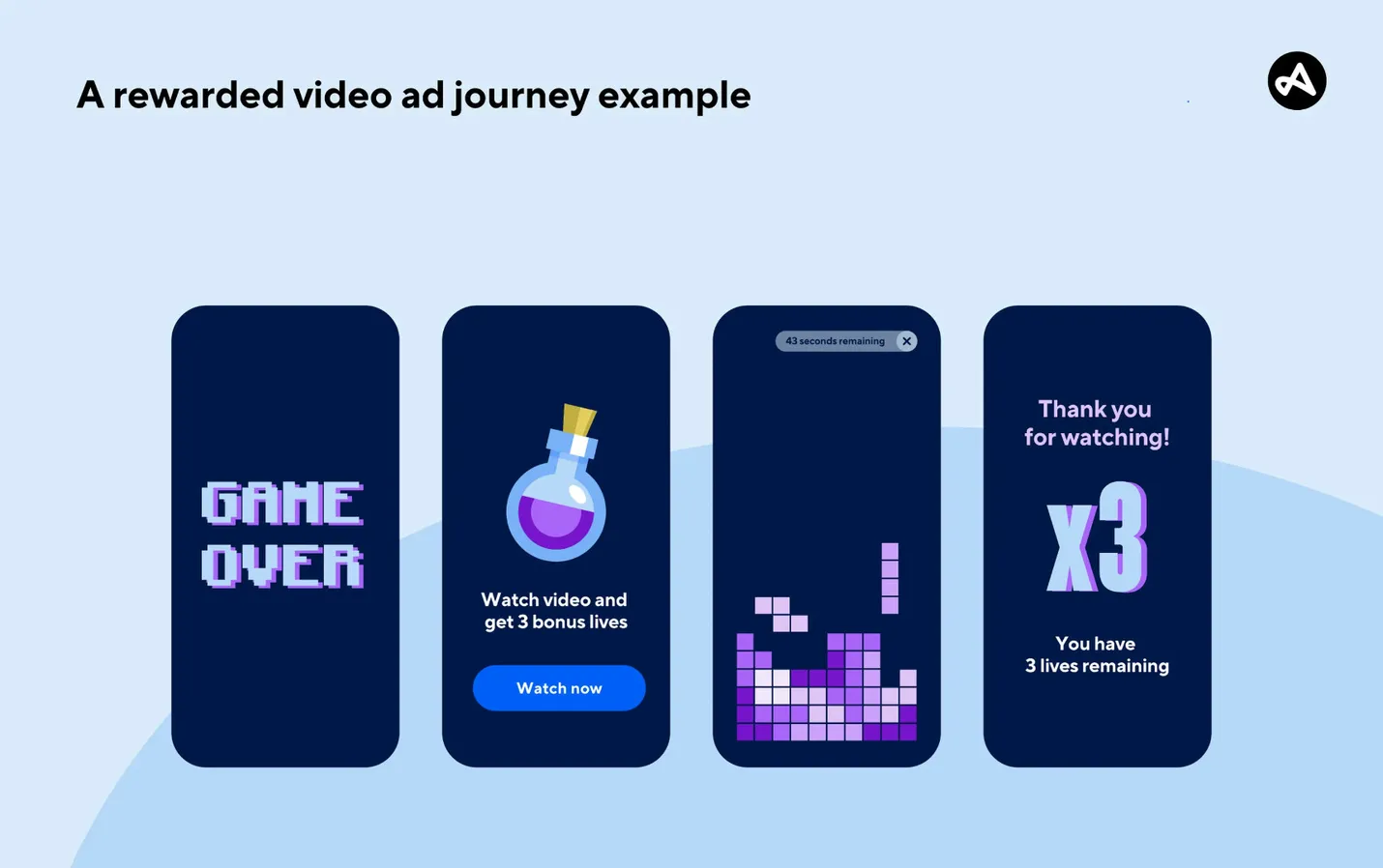
The first monetization model I recommend is ad monetization. This can include small banners or short video ads. The most effective and user-friendly format is Rewarded Video, which many studios view very positively.
The idea behind Rewarded Video is simple: when a player loses a level, they are given the option to watch a 15-second ad in order to receive an extra life, for example. The user does not pay anything — the advertiser pays for placing their content in this placement. This creates a clear win-win strategy.
When working with resource monetization, you should then start introducing in-game purchases, also known as add-ons.
For example, in a billiards game you can offer a premium cue; in racing games — the ability to upgrade a car. It is important that these add-ons are affordable, for instance $0.99 or even $0.80. Gradually increasing monetization allows players to get used to making purchases without feeling pressured.
Once your audience is actively engaging with these add-ons, you can gradually move further — disabling ads and launching the game in a paid format, either as a separate package or as a premium version of the existing game.
“Hybrid monetization is currently the most popular approach worldwide.”
And this applies not only to GameDev. Take Netflix as an example: today, they also use a hybrid monetization model. There is a standard subscription without ads, and a cheaper plan that includes advertising. In other words, users choose for themselves — pay more and avoid ads, or pay less and watch ad integrations.
Moreover, Netflix adjusts subscription pricing depending on the country. In Tier-1 regions (such as the United States, Canada, and the United Kingdom), advertisers pay higher CPMs, which allows the company to offer lower subscription prices thanks to higher ad revenue.

Which Monetization Models Work Best for Different Audiences?
We have already discussed which monetization types work best globally — game sales and in-game purchases. Which of these are more effective for different audiences?
- It depends on the game. One of the most well-known free-to-play games with in-game purchases is Fortnite. You can download it and start playing for free, and later purchase skins (character appearance), emotes (dances, gestures, and reactions), gliders, as well as the Battle Pass, which grants access to new rewards and content throughout the season.
- In-game purchases (in-app purchases) include buying resources, boosters, skins, and similar items. Examples of such games are Candy Crush and Roblox.
- There is also the subscription model, where a player pays a monthly fee for access to the game or additional content. This model is not very popular, but it is still used in certain projects.
- The Battle Pass. It can be compared to a subscription, but the difference is that it is a one-time purchase. You buy a Battle Pass for a season, gain access to exclusive content, and once it expires, you can purchase a new Battle Pass.
- Advertising, or so-called ad monetization. This model is used by almost all hyper-casual and super-casual games, as well as by games that have been published on consoles such as Xbox or PlayStation.
If developers see that a product is not generating the level of sales they expected, we recommend changing the monetization model — disabling the paid model and switching to ad monetization.
This is especially profitable in Tier-1 countries, where CPM (cost per thousand ad impressions) on consoles can reach $30 per 1,000 impressions. This means that every thousand ad views in a game can bring an indie developer approximately $30, which is already a meaningful revenue for small studios.
Depending on the game, you need to choose the right monetization model. However, keep in mind that the most successful approach is hybrid monetization, where you combine different strategies — advertising, in-game purchases, subscriptions — continuously test them, and adapt to different player types, giving users multiple ways to monetize your game.
Advice for Game Developers
If you are an indie developer, I 100% recommend joining developer communities and attending various events.
If possible, attend Gamescom in Cologne — one of the largest gaming events in the world. Gamescom combines large-scale AAA game announcements with a dedicated Indie Area, where young studios can showcase their projects to a broad audience.
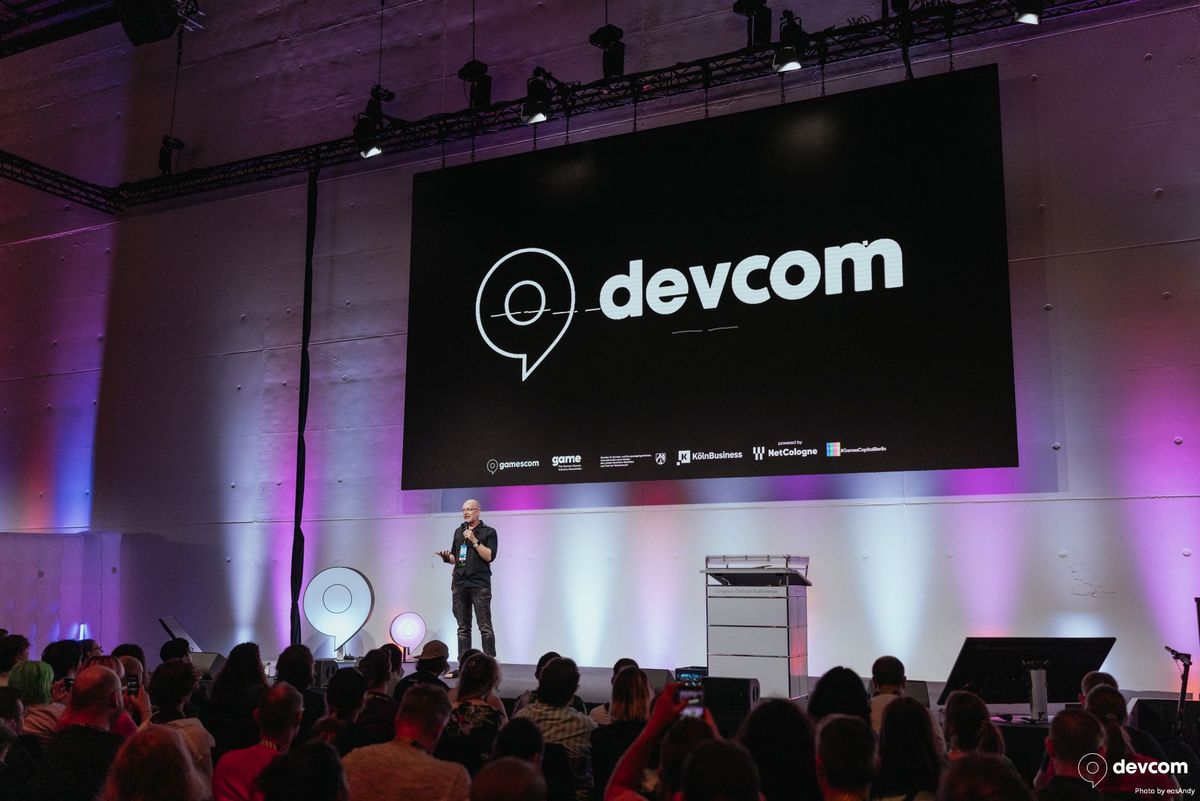
Ahead of Gamescom, the Devcom Developer Conference takes place — the official game developers’ conference organized by the same team. Devcom is focused on industry professionals and offers speaker sessions, workshops, business meetings, and the Indie Expo, an exhibition of indie games.
I also recommend attending GDC (Game Developers Conference) in San Francisco — one of the most important events in the world for game developers.
“If you are an indie developer, find communities, team up with other developers, exchange ideas and experience, and discover your own unique game concept.”
This could be a casual game for different platforms — smartphones, Xbox, PlayStation, or even Nintendo Switch.
For example, one of the indie games we work with is a golf game on Xbox. It has very simple graphics, but it has an active community, tournaments are held regularly, and the project generates stable and solid revenue for its developers.
“So there is no need to create another Call of Duty or GTA. Team up with other developers and create something new.”
Today, creating a AAA game means going all-in. People lose interest quickly, which is why successful studios that I have been following for many years release a new game every six months.
Their strategy is simple: minimal investment — maximum revenue at launch. Then another game, and another one.
The key idea is to build a production pipeline that continuously develops games and generates revenue.
You mentioned developer conferences in San Francisco and Cologne. What would you recommend to developers in Ukraine, considering that many of them cannot currently travel abroad?
All of these events are also available online. You can purchase a Digital Pass and attend GDC virtually, watch panels where major corporations showcase how their gameplay is created. These events also have dedicated apps and platforms where you can communicate online with other developers.
So the digital option is 100% viable.
Secondly, there are events in Ukraine. For example, Game Gathering is an international game development conference that hosts events in Kyiv, Lviv, and Odesa.
Game Gathering is smaller in scale than GDC or Gamescom. For example, Gamescom in Cologne in 2024 had 30,000 attendees, and GDC 2025 had 15,000 attendees. Still, it is a very good opportunity to explore Ukrainian and international game development, listen to developer talks, connect with potential partners, be part of the community, and stay up to date with modern GameDev trends.
It would be great if Ukrainian IT developers had more opportunities to travel to such events, because the world — especially after the COVID-19 pandemic — has a strong need for personal communication.
How to Create a Game Without a Budget
Is it really possible to create a successful game without a large budget? What strategies work in this case?
Yes, it is possible. In fact, many successful games are created by just one or two developers. I asked indie developers where they get their ideas for games, and they said that almost all ideas were written long ago — they exist in books. People buy game design books that were created 20–30 years ago, for example in Japan, where many games originated, draw inspiration from them, and adapt those ideas to their own specifics.
Can you give a few examples of such game-related books?
Nintendo. This is a large Japanese corporation that has existed for more than 150 years (Nintendo Koppai was founded in 1889 in Kyoto, Japan). They started by producing playing cards. Some even say these were cards for the Yakuza — the Japanese mafia — but this cannot be verified, as there is no evidence.
Today, Nintendo creates devices; their most famous console is Nintendo Switch, and they also operate their own game store, Nintendo eShop.
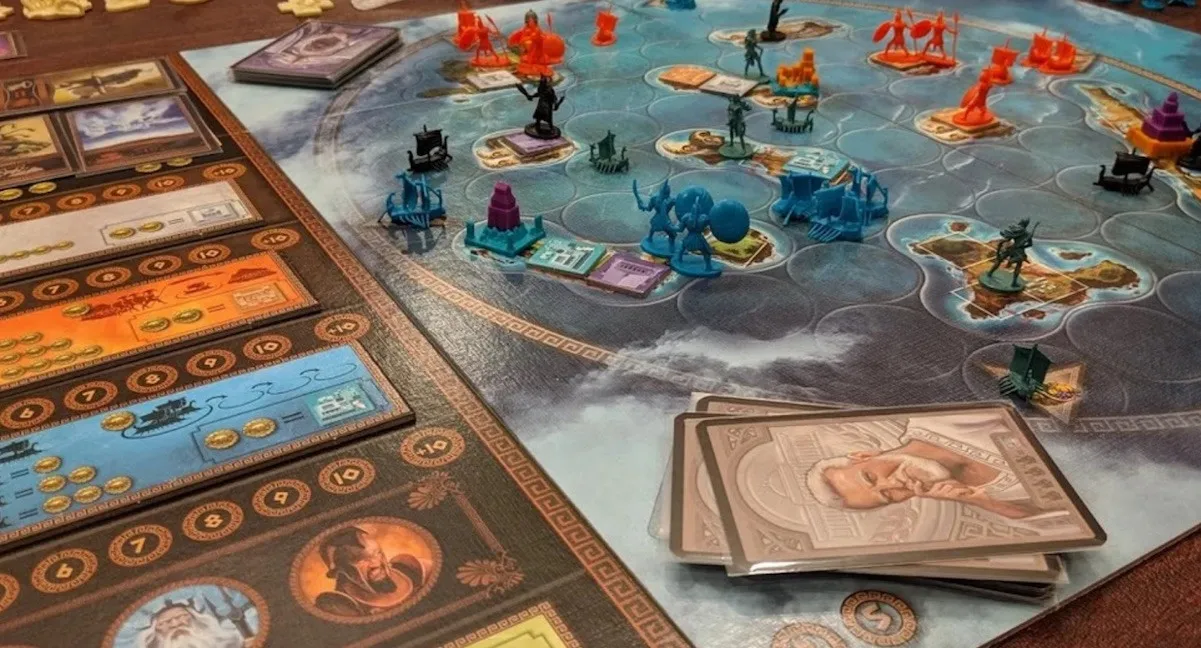
After Nintendo stopped producing playing cards, they began developing board games.
You can take gameplay mechanics from board games and then adapt them to your digital platform.
Unity also allows developers to create a wide variety of games today. Unity offers ready-made templates that can be used as a foundation for game development.
“If you are a beginner indie developer, start with board games. Read books about games, try to understand how Unity works. Using Unity and drawing on your experience with board games, you can create something truly great.”
Trends
Which trends in the gaming industry are expected to grow over the next five years?
The biggest trend is multiplayer.
Previously, you would play games like GTA by yourself, but today the industry is shifting toward shared, social gameplay. According to our data, multiplayer games — for example, golf tournaments — are growing much faster than Candy Crush, even though Candy Crush was once the most famous hyper-casual game.
“If you build your game around a multiplayer model, it significantly increases your chances of success.”
The next major trend is games for relaxation. The world today is oversaturated with information, so people increasingly play games to unwind and rest.
This direction has developed especially actively over the past three years. Previously, I did not see so many games focused specifically on relaxation.
At WMG, we have games where a player walks through a forest, completes simple tasks, and collects items like mushrooms. It is a very simple game, but with great music — the sound of wind, birds singing. You genuinely relax. There is no fighting, no action at all. These are great games, and they monetize very well.
— Maksym Kovalenko
And of course, collaboration is another key trend — when people from different studios come together. If you are a small indie developer studio and have already released at least one successful game, you should be looking for partners at events and conferences and joining forces.
“Today, the process of collaboration is happening across all industries, and this is completely normal — the world is coming together.”